“where to grow” search results (4000)

What about Tanzanian coffee beans? where do you buy Tanzanian coffee?
Coffee beans in Tanzania are of extraordinary quality. They are produced in the Mohi district near Mount Kilimanjaro. The mountains with a height of 3,000 to 6,000 feet are the most suitable areas for growing coffee. The fertile volcanic ash gives the coffee here a strong texture and soft acidity. It exudes a delicate fragrance and contains aromas of wine and fruit.
2016-05-05 Tanzania coffee beans how where coffee characteristics
Coffee growing areas in the Andes of Colombia at an altitude of 1,300 meters
Colombia's favourable climate provides a truly natural pasture for coffee. Coffee trees in Colombia are mainly cultivated in the Andes mountains, on steep slopes up to 1,300 meters above sea level, where the annual temperature is about 18 degrees Celsius, the annual rainfall is 2000 to 3000 mm, the latitude is 1 - 11 15, the longitude is 72 - 78, and the specific altitude range can exceed 2.000 meters. by
2016-06-22 Altitude thousand hundred meters up and down Colombia Andes mountain coffee growing area
Zhugula, the western part of Binchuan County, Yunnan Province, where coffee originated in China.
Jugula, the secret place where Chinese coffee originated, is a distant place and a story that has been around for a long time. Zhu Kula Yi language meaning: tortuous mountain road. In the deep mountains in the west of Binchuan County, Yunnan Province, there is a little-known Yi shanzhai-Zhu Kula, which has existed quietly and full of vitality for hundreds of years in the deep gorge of Baizhang River, a tributary of the Jinsha River. So far
2015-04-28 China Coffee Origin Yunnan Province Binchuan County West Zhugula Gula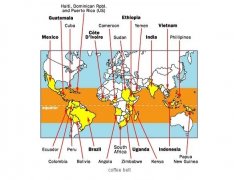
Where do good coffee beans come from?
Coffee trees need high altitude, tropical climate and fertile soil to grow the best coffee beans. Such climatic conditions on earth surround the equator, about 25 degrees north latitude to 30 degrees south latitude.
2014-07-16 Coffee knowledge coffee beans coffee origin
Visit the place where coffee beans are grown in Columbia Coffee Manor
Coffee in Colombia is mostly small-scale farmers, each of which is processed to remove the pulp, collected and refined by farmers' associations, and then exported by exporters. The basic data area of the Republic of Colombia is 3 times the size of the capital of Japan, Bogota language, Spanish, per capita GDP48 ten thousand yen Japan is 4.2 million yen above sea level, the capital Bogota, Colombia.
2015-02-15 Visits Colombia coffee estates coffee beans planting places
Visit the place where coffee beans are grown in Columbia Coffee Manor
Coffee in Colombia is mostly small-scale farmers, each of which is processed to remove the pulp, collected and refined by farmers' associations, and then exported by exporters. The basic data area of the Republic of Colombia is 3 times the size of the capital of Japan, Bogota language, Spanish, per capita GDP48 ten thousand yen Japan is 4.2 million yen above sea level, the capital Bogota, Colombia.
2015-02-15 Visits Colombia coffee estates coffee beans planting places
Boutique coffee recommends Guatemalan coffee
In 1750, Father Jesuit introduced coffee trees to Guatemala, where the coffee industry was developed by German colonists at the end of the 19th century. Today, most of the coffee industry's production takes place in the south of the country. Coffee production in Guatemala: the slopes of SierraMadre volcano provide ideal conditions for growing high-quality coffee beans at high altitudes.
2014-12-18 Boutique Coffee recommendation Guatemala 1750 Jesu Voight
Two or three things about Yunnan coffee are self-boasting.
In Yunnan coffee growing areas, we often encounter boastful people: our Yunnan coffee is very good to drink, our Yunnan coffee has won awards in the world, our Yunnan coffee is very famous in the world, very good to drink? I asked them if they drank it themselves. Where's the good drink? I can't answer. Many coffee farmers mix 15%~20% green fruit in red fresh fruit. Can such coffee taste good? This coffee only comes out.
2014-05-21 Coffee cultivation Yunnan coffee
The characteristics of coffee grindability in Jinchu Valley, Kenya: an introduction to the taste manor area
The Kenyan government takes the coffee industry very seriously, where it is illegal to cut down or destroy coffee trees. Kenyan coffee buyers are world-class high-quality coffee buyers, and no other country can grow, produce and sell coffee on a continuous basis like Kenya. All coffee beans are first purchased by the Kenya Coffee Commission, where they are identified, graded, and then on a weekly basis.
2016-10-11 Kenya Jinchu coffee grinding characteristics treatment taste manor producing area introduction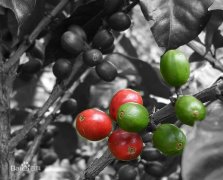
Kenya grows rare good coffee
Kenya's rare good coffee-famous for its rich aroma and balanced acidity. People in the coffee industry all think that Kenyan coffee is one of its favorite products, because Kenyan coffee contains every feeling we want from a good cup of coffee. It has wonderful and satisfying aromas, balanced and delicious acidity, well-proportioned particles and excellent fruit.
2016-05-31 Kenya grow get coffee rare with its rich fragrant
Taste rich and perfect Kenyan coffee culture introduces the flavor and taste of Kenyan coffee producing areas
The Kenyan government takes the coffee industry very seriously, where it is illegal to cut down or destroy coffee trees. Kenyan coffee buyers are world-class high-quality coffee buyers, and no other country can grow, produce and sell coffee on a continuous basis like Kenya. All coffee beans are first purchased by the Kenya Coffee Commission, where they are identified, graded, and then on a weekly basis.
2016-07-28 Taste rich beautiful Kenya coffee culture introduction coffee producing area flavor
Boutique Starbucks Guatemala coffee beans Starbucks Guatemala Antigua
Guatemala is very suitable for growing coffee. The annual precipitation is also very abundant. The alpine areas above 1400 meters above sea level and the climate of Guatemala, where the humidity ratio is 60-70%, have created a natural environment for the cultivation of high-quality coffee. The highest grade of Guatemalan coffee is SHB (Strictly Hard bean: hard coffee beans grown in alpine areas). According to
2016-05-05 Boutique Buck Guatemala Coffee beans Antioch region very suitable
A global coffee producer in Guatemala.
In 1750, Father Jesuit introduced coffee trees to Guatemala, where the coffee industry was developed by German colonists at the end of the 19th century. Today, most of the coffee industry's production takes place in the south of the country. Coffee production in Guatemala: the slopes of SierraMadre volcano provide ideal conditions for growing high-quality coffee beans at high altitudes.
2015-02-16 Global Coffee Origin Guatemala 1750 Jesu Voight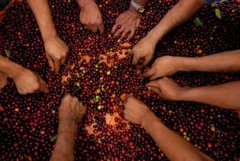
Coffee flavors from different coffee producing areas around the world coffee producing areas in Guatemala
In Guatemala in 1750, Father Jesuit introduced coffee trees to Guatemala (Guatemala), where German colonists developed the coffee industry at the end of the 19th century. Today, most of the coffee industry's production takes place in the south of the country. Coffee production in Guatemala: the slopes of SierraMadre volcano provide ideal conditions for growing high-quality coffee beans.
2015-02-15 Global different coffee origin flavor Guatemala 1750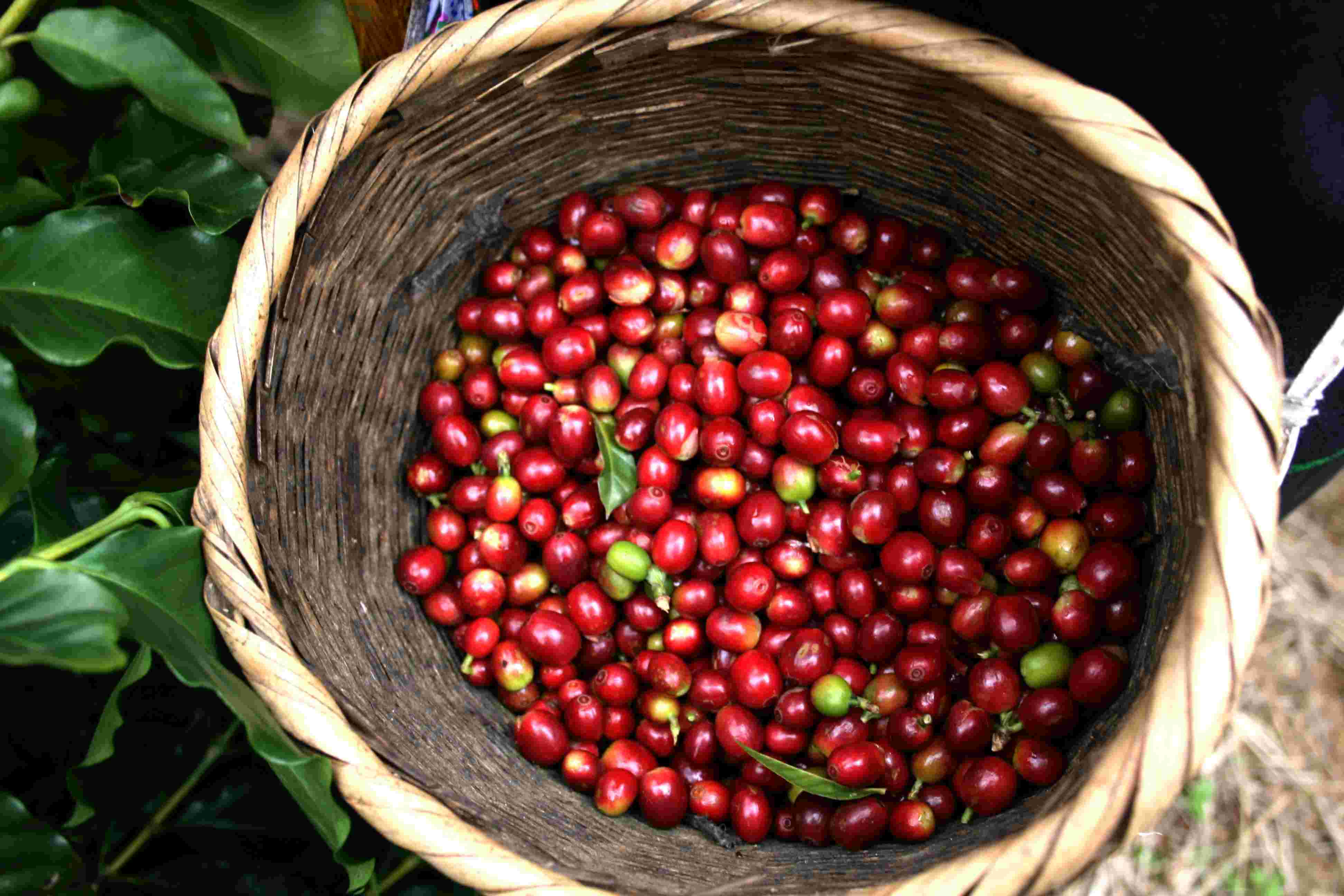
All information about Starbucks Antigua coffee beans in Guatemala
Guatemala is very suitable for growing coffee. The annual precipitation is also very abundant. The alpine areas above 1400 meters above sea level and the climate of Guatemala, where the humidity ratio is 60-70%, have created a natural environment for the cultivation of high-quality coffee. The highest grade of Guatemalan coffee is SHB (Strictly Hard bean: hard coffee beans grown in alpine areas). According to
2016-01-06 About Buck Guatemala Antioch coffee beans all information ground
Guatemalan coffee the characteristics of Guatemalan coffee
In 1750, Father Jesuit introduced coffee trees to Guatemala, where the coffee industry was developed by German colonists at the end of the 19th century. Today, most of the coffee industry's production takes place in the south of the country. Coffee production in Guatemala: the slopes of SierraMadre volcano provide ideal conditions for growing high-quality coffee beans at high altitudes.
2015-03-26 Guatemala coffee specialty 1750 Jesu Voight Jesuit
The difference in coffee flavor between sunburn and washing of coffee beans lies in where is the difference.
What is the difference between the coffee flavor of coffee beans by tanning and washing? a brief introduction to the treatment of raw coffee beans; tanning is a traditional method of primary processing of coffee beans. At present, ancient coffee bean-growing countries such as Ethiopia and Yemen still use solarization to treat raw beans. Sun treatment will first identify the sunken beans in the sink, that is, ripe or half-ripe beans.
2016-10-20 Coffee beans sun exposure washing coffee flavor the difference is where what different
Global Coffee producing area Guatemala Coffee Market
In 1750, Father Jesuit introduced coffee trees to Guatemala, where the coffee industry was developed by German colonists at the end of the 19th century. Today, most of the coffee industry's production takes place in the south of the country. Coffee production in Guatemala: the slopes of SierraMadre volcano provide ideal conditions for growing high-quality coffee beans at high altitudes.
2015-08-24 Global Coffee Origin Guatemala Market 1750 Jesu Jet J.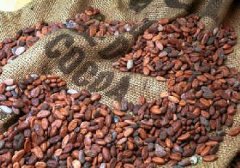
Coffee growing knowledge
Coffee is a drink that gives the public the impression of being black, bitter, sleepless, and excited. The coffee beans we see in coffee shops are dark brown and belong to roasted coffee beans, while the color of coffee liquid is amber. Coffee comes from coffee beans, which in turn are harvested and processed from the fruits of trees. Coffee growing habits: coffee
2015-08-19 coffee growing knowledge one kind drink popular like black bitter
Coffee bean producing countries introduce Guatemalan coffee
In 1750, Father Jesuit introduced coffee trees to Guatemala, where the coffee industry was developed by German colonists at the end of the 19th century. Today, most of the coffee industry's production takes place in the south of the country. Coffee production in Guatemala: the slopes of SierraMadre volcano provide ideal conditions for growing high-quality coffee beans at high altitudes.
2015-05-14 Coffee beans country of production introduction Guatemala Coffee 1750 Jesu ITT